Source Taper Candle for Home, Wedding, and Party Lighting
Find 30 taper candle options from Chinese manufacturers. Compare materials like beeswax and paraffin, colors, and custom packaging. Source reliable suppliers for home, wedding, and party lighting needs with verified quality control; compare the available evidence and request quotations based on your requirements.
Key considerations
Products List


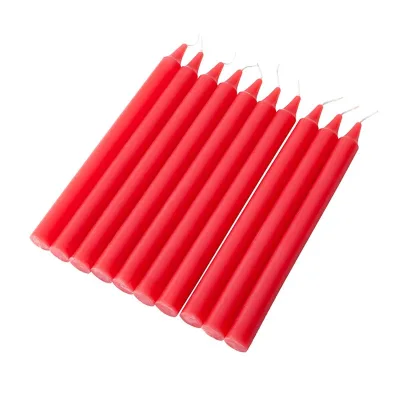


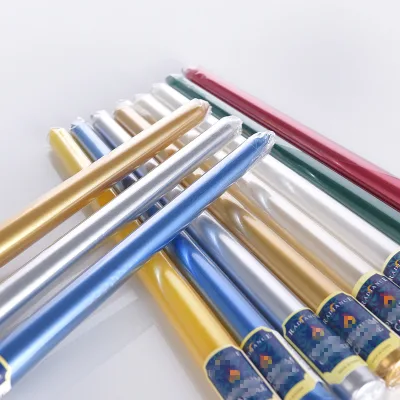


Comprehensive Sourcing Guide
Taper Candle Sourcing Guide
Sourcing taper candles requires a nuanced understanding of material science, manufacturing processes, and specific application requirements. Buyers must navigate a diverse market that ranges from traditional beeswax products to modern paraffin and LED alternatives. The decision matrix is heavily influenced by the intended use case, whether for religious ceremonies, wedding decor, or general home lighting. Each material type offers distinct burn characteristics, scent profiles, and aesthetic qualities that must align with the end-user’s expectations.
Procurement teams should also consider the logistical implications of packaging and shipping. Taper candles are fragile and often sold in sets, requiring robust packaging to prevent breakage during transit. The observed market includes products packed in brown boxes or export-standard cartons, which directly impacts handling costs and damage rates. Understanding these physical attributes early in the sourcing process helps in selecting suppliers who prioritize product integrity and efficient logistics.
Product Scope and Observed Listing Signals
The current market landscape for taper candles is characterized by significant diversity in materials and finishes. Listings indicate a strong presence of beeswax candles, which are often associated with natural, eco-friendly branding and are frequently processed using molds. These products are marketed for a wide array of uses, including weddings, funerals, and religious events. The visual appeal of beeswax, often in natural yellow or multi-colored variants, makes it a premium choice for decorative purposes where authenticity and tradition are valued by the consumer.
In contrast, paraffin wax candles offer a different value proposition, often featuring white or green colors and unscented profiles. These are typically produced through filling processes, allowing for high-volume manufacturing and consistent dimensions. Some listings also highlight LED taper candles, which provide a flameless alternative for safety-conscious environments. Additionally, specialized products like chocolate and coffee-scented jar candles or hypnotic function candles suggest a broader category interpretation where "taper" may overlap with other candle forms. Buyers must carefully distinguish between traditional wax tapers and these alternative offerings to ensure they meet their specific functional needs.
Technical Specifications to Verify
Dimensional accuracy is a critical technical parameter for taper candles, as they must fit securely into standard candlesticks and holders. Buyers should verify diameter and height specifications, which can range from 1.1cm to 2.5cm in diameter and 10cm to 25.4cm in height. Standard sizes like 2.2*20cm are also observed, indicating that while there is variation, common industry standards exist. Confirming these measurements with the supplier is essential to prevent compatibility issues with existing candle holders or dispensing equipment at the destination market.
Material composition and processing methods significantly influence the burn quality and safety of the final product. Beeswax candles are often hand-poured, which may result in slight variations but enhances the artisanal appeal. Paraffin candles, produced via filling, offer greater uniformity. Buyers must also inquire about surface treatments, such as printed designs or decals, and whether the candles are unscented or flavored. For LED alternatives, verifying the battery type and light output is crucial. Understanding these technical details ensures that the product performs as expected in its intended environment, whether it is a high-traffic wedding venue or a quiet religious setting.
Compliance and Safety Documentation
Safety compliance is paramount when sourcing candles, given their flammable nature and potential for indoor use. Buyers should request documentation that verifies the product has undergone third-party inspections, with standards like SGS being explicitly mentioned in some listings. These inspections typically cover flammability, chemical composition, and structural integrity. Ensuring that the supplier accepts third-party inspection requests is a strong indicator of their commitment to quality and regulatory adherence. This step helps mitigate risks associated with product recalls or safety incidents in the destination market.
In addition to safety testing, buyers must consider environmental and quality management standards. While specific ISO certifications like ISO 9000 or ISO 14001 are mentioned in background data, their applicability to specific candle products should be verified directly with the supplier. For beeswax products, natural origin certifications may be relevant for eco-conscious consumers. For paraffin candles, compliance with local regulations regarding wax purity and additive usage is essential. Procurement teams should ensure that all necessary certificates are available and valid before placing large orders, as these documents are often required for customs clearance and retail distribution.
Cost Drivers and Commercial Terms
The cost structure of taper candles is influenced by several key factors, including material type, order volume, and packaging complexity. Beeswax candles generally command a higher price point due to the cost of raw materials and the labor-intensive hand-pouring process. Paraffin candles, produced through automated filling, are typically more cost-effective for large volumes. Buyers should also consider the impact of customization, such as OEM logo designs or specific color requirements, which may incur additional setup fees or minimum order quantity (MOQ) requirements.
Commercial terms, particularly MOQs, vary significantly across suppliers. Observed MOQs range from 1,000 to 2,000 pieces, with some listings indicating flexibility down to 1 piece for samples or small batches. Packaging options, such as brown boxes or export-standard cartons, also affect the total landed cost. Buyers should negotiate clear terms regarding shipping methods, as candles are heavy and fragile. Understanding the total cost per unit, including packaging and logistics, is essential for accurate margin calculation. Transparent communication about these variables helps in building a sustainable supply chain that balances cost efficiency with product quality.
Supplier Qualification and Quality Control
Evaluating supplier qualifications is a critical step in ensuring a reliable supply of taper candles. Buyers should prioritize manufacturers who explicitly identify as factories or manufacturers, as this often indicates greater control over the production process and quality consistency. Suppliers that offer OEM services and accept third-party inspections demonstrate a higher level of professionalism and transparency. It is advisable to request samples to assess the physical quality, burn performance, and packaging integrity before committing to a larger order.
Quality control processes should be clearly defined and agreed upon before production begins. This includes specifying acceptable tolerances for dimensions, color consistency, and surface finish. For hand-poured beeswax candles, some variation is expected, but for filled paraffin candles, uniformity is key. Buyers should establish a clear protocol for handling defects and returns. Regular communication with the supplier during production can help identify and resolve issues early. Building a strong relationship with a qualified supplier ensures long-term stability and consistent product quality, which is vital for maintaining brand reputation in the competitive candle market.
Long-Term Procurement Checks
Sustaining a successful procurement relationship with taper candle suppliers requires ongoing monitoring and periodic audits. Buyers should regularly review supplier performance metrics, such as on-time delivery rates, defect rates, and responsiveness to issues. Continuous feedback loops help in identifying areas for improvement and ensuring that the supplier remains aligned with the buyer’s evolving needs. For products with seasonal demand, such as holiday or wedding candles, planning ahead is crucial to avoid supply chain disruptions.
Additionally, buyers should stay informed about changes in regulations and market trends that may impact the candle industry. This includes updates on safety standards, environmental regulations, and consumer preferences for natural or sustainable products. Periodic re-evaluation of the supplier base ensures that the company remains competitive and resilient. By maintaining a proactive approach to supplier management, buyers can mitigate risks and capitalize on new opportunities in the taper candle market. This long-term perspective is essential for building a robust and adaptable supply chain that supports business growth.
FAQs
What materials are used for taper candles?
Taper candles are commonly made from beeswax or paraffin wax. Beeswax options are processed via molding, while paraffin variants use filling methods. Both materials support various colors including yellow, white, and green for different lighting needs.
How are these candles packed for shipment?
Packaging varies by product type. Some sets contain two pieces in a brown box, while others ship in cartons with specific dimensions like 8 by 30 or 6 by 50. Export standard packing is also available for bulk orders to ensure safety.
Can I customize the candle logo and design?
Yes, customization is available for many taper candle models. Buyers can request OEM customized logo designs and specific surface treatments like printing or decals. This allows for tailored branding suitable for weddings, parties, or religious events.
What is the minimum order quantity for these candles?
Minimum order quantities vary significantly by product. Some items require as few as 1 piece, while others like specific green candles need 1000 pieces. Jar candles may have a higher threshold of 2000 pieces depending on the manufacturer.
Which certifications do the candles meet?
Products often undergo third-party inspections by organizations like SGS or ITS. Some listings explicitly state compliance with SGS standards. This ensures quality control and safety for usage in homes, weddings, and religious ceremonies.
Where are these taper candles manufactured?
The primary manufacturing origin for these candles is China. Many suppliers operate as direct factories and manufacturers. This location supports the production of various types including beeswax, paraffin, and LED taper candles for global export.
What sizes are available for taper candles?
Available sizes include diameters ranging from 1.1cm to 2.5cm and heights from 10cm to 25.4cm. Specific models like the Africa white candle come in standard dimensions such as 2.2 by 20cm. Custom sizes may be available upon request.